
When Water Features Need More Than a Plan
Michoel Gleiberman of Kiamesha Ponds
A pond or waterfall can seem simple — until you start working out how the water is actually going to move. In some cases, what’s been designed doesn’t function at all once it’s built. Flow rates, elevation, and spacing all affect whether it works as intended… or creates problems that only show up after installation.
At this juncture, Kiamesha Ponds plays a pivotal role.
Michoel Gleiberman started this after years in construction. He wanted a pond, couldn’t find anyone in his community doing that type of work — so he did it himself.
“To me, there were only two options,” he said. “Either there’s no money in it, or nobody thought of it.”
He built his first pond at his home in Kiamesha, then a waterfall at his brother’s house in Lakewood. He expected the business to take root in Monsey — instead, it took off in Lakewood, Jackson, and Toms River.
Today, Kiamesha Ponds takes on projects ranging from residential ponds to pondless waterfalls and larger setups that combine water with lighting and other elements.
Once clients start exploring what’s possible, the scope tends to grow. Gleiberman hears what they’re looking for, builds on it, and then works out what will actually hold up once the water starts moving through the system. Sometimes that means taking the idea further. Other times, it means telling them it won’t work the way they expect.
Most of that gets figured out before anything is built. Gleiberman often looks at plans where water features have been included without thinking through how they’ll actually work.
“I just got sent to one last week,” he said, describing a multi-tier waterfall that couldn’t physically work as designed.
In those cases, the issue isn’t the idea — it’s how it’s been laid out. By the time problems show up, the structure may already be in place, leaving limited options beyond reworking or removing the feature.
That’s why he spends time helping clients and contractors understand those constraints early on.
“Even if you don’t use me, just talk to me after your architect specs it,” he said. “So you don’t have to call me later… after you’ve spent $100,000.”
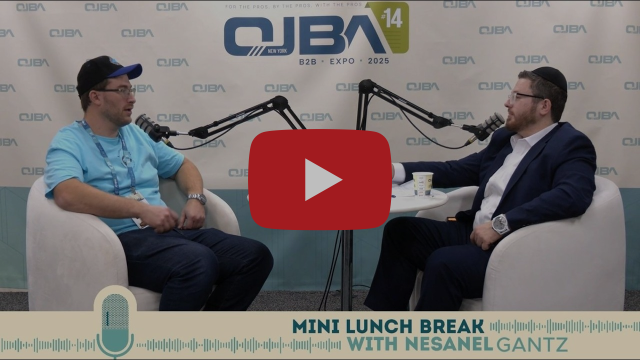
At OJBA, his goal is to build awareness — not just of his company, but of the role this kind of work plays in a project.
“Not just that I exist,” he said, “but that the field exists.”
 0
0